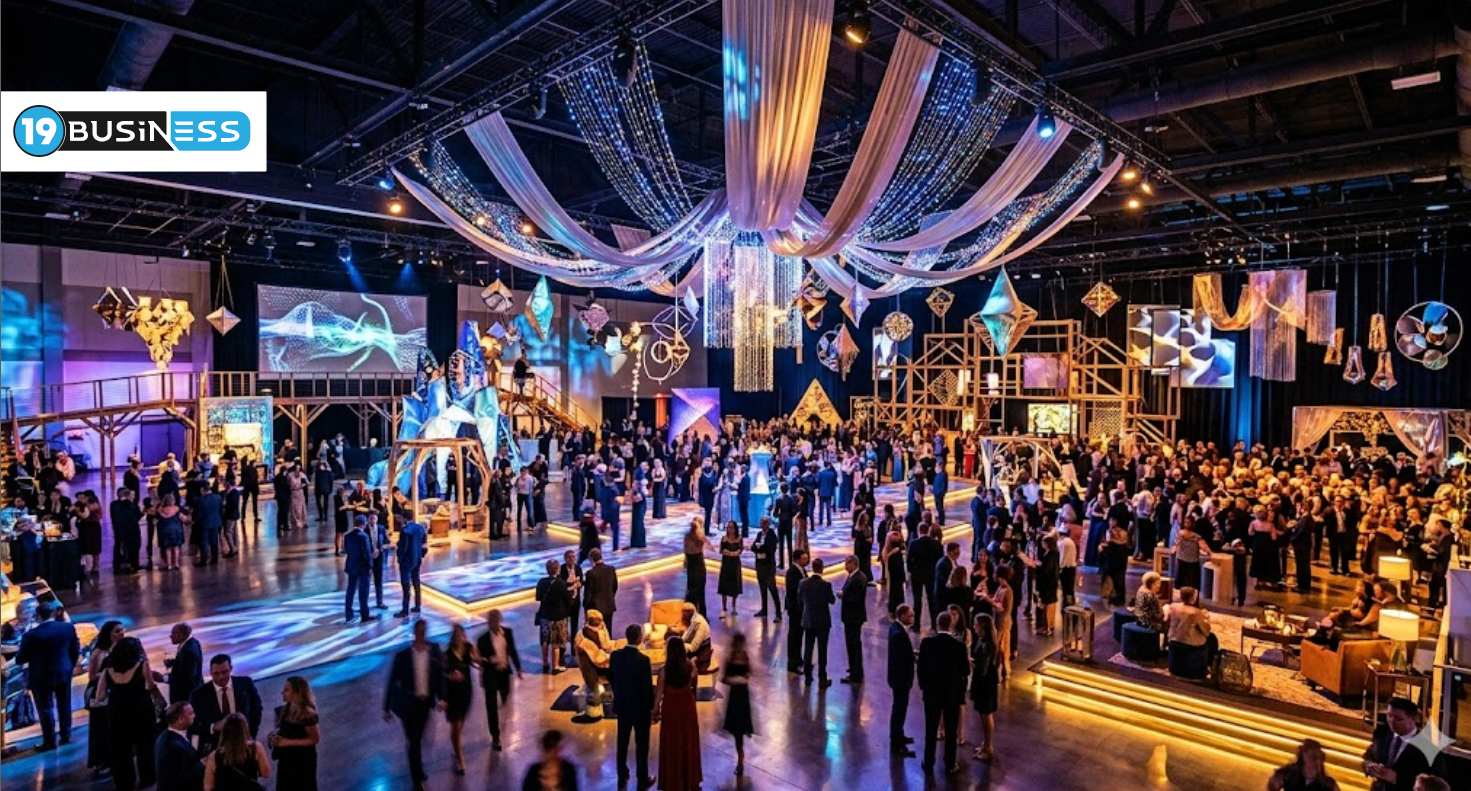
What Is Spaietacle?
In a world where experiences matter more than mere visuals, spaietacle has emerged as a revolutionary concept. At its core, spaietacle is the art of turning ordinary spaces into immersive experiences that evoke emotion, foster interaction, and leave lasting memories. Unlike traditional spaces, where design is often purely aesthetic, spaietacle prioritizes human experience—inviting people to not just see, but feel, interact, and participate.
Whether in art galleries, retail environments, or digital reality platforms, spaietacle transforms spaces into interactive narratives, creating deep emotional connections between individuals and their surroundings.
Understanding Spaietacle in Simple Terms
To grasp the essence of spaietacle, consider three fundamental elements:
1. The Environment
A space is more than a backdrop; it becomes an integral part of the experience. Architects, designers, and technologists carefully craft environments that respond to human presence, making people feel immersed and engaged.
2. Sensory Experience
Spaietacle leverages sight, sound, touch, and even scent to create multisensory engagement. By stimulating multiple senses simultaneously, it enhances memory retention and emotional impact.
3. Human Interaction and Emotion
The ultimate goal of spaietacle is to evoke genuine emotion. Participants become active contributors, shaping the experience through movement, interaction, and exploration.
Example: Immersive art exhibitions like teamLab Borderless in Tokyo allow visitors to interact with digital art, making them a living part of the exhibit.
The Origin and Meaning of Spaietacle
The word spaietacle fuses two familiar ideas:
- Space: The physical or virtual environment around us
- Spectacle: Something visually striking, impressive, or memorable
Together, these terms signify spaces designed to create immersive, emotionally impactful experiences. It reflects a shift in modern life where feelings and memories are valued over passive observation.
Why Spaietacle Is Becoming Important
The Shift from Objects to Experiences
Modern audiences increasingly prefer experiences over physical possessions. A well-crafted spaietacle delivers lasting emotional value, aligning perfectly with this cultural trend.
Technology Enables Immersion
Advances in virtual reality (VR), augmented reality (AR), and interactive lighting allow designers to craft highly immersive environments. These technologies blur the line between the physical and digital world.
Social Media Influence
Unique, shareable moments in spaietacle-driven spaces encourage organic social sharing, increasing engagement for brands and artists alike.
Emotional Connection as Currency
In an era of digital overload, people crave spaces that foster genuine emotion and mindfulness. Spaietacle offers authentic connections, making interactions more memorable.
Core Elements of a Spaietacle Experience
A successful spaietacle experience combines several interdependent components:
1. Immersive Environment
The space envelops visitors, removing traditional boundaries between observer and setting.
2. Multi-Sensory Design
Integrating lighting, sound, textures, and sometimes scents creates layered sensory engagement.
3. Emotional Connection
Every element is designed to evoke specific feelings, whether awe, serenity, or curiosity.
Interaction
Participants move, touch, or influence the environment, transforming passive observation into active engagement.
5. Storytelling
A clear narrative or theme ensures the experience has cohesion and purpose, rather than being a random assortment of visuals.
Example: Interactive museum exhibits like the Museum of Ice Cream in Los Angeles combine playful design, storytelling, and multisensory cues to create memorable moments.
Real-Life Examples of Spaietacle
Spaietacle is not limited to futuristic concepts—it already exists in everyday experiences:
- Immersive art exhibitions: Visitors engage with installations that respond to movement and sound.
- Interactive museums: Children and adults learn through hands-on, multi-sensory displays.
- Virtual reality experiences: Digital worlds allow participants to explore environments impossible in reality.
- Music events: Festivals combine light shows, visuals, and sound for total immersion.
- Experience-based retail stores: Brands like Apple and Nike use spaietacle principles to create spaces that feel alive.
Applications Across Industries
Spaietacle principles are being adopted widely:
Art and Creative Design
Artists craft interactive galleries and installations, making spectators co-creators of the experience.
Technology
VR and AR bring spaietacle to digital spaces, enabling remote immersive experiences.
Education
Classrooms and museums using interactive, immersive setups help students retain knowledge better.
Wellness Spaces
Spaietacle designs calm, sensory-focused environments for mental health and mindfulness.
Business and Marketing
Brands leverage spaietacle to deepen customer relationships, increase engagement, and create shareable experiences.
Spaietacle vs Traditional Experiences
| Feature | Traditional Experience | Spaietacle Experience |
|---|---|---|
| Audience Role | Passive | Active |
| Environment | Background | Central element |
| Engagement | Limited | Interactive |
| Emotional Impact | Short-term | Long-lasting |
This table illustrates why modern experiences favor engagement and immersion over mere observation.
Benefits of Spaietacle
For Individuals
- Enhances memory retention
- Encourages creativity and imagination
- Provides mental and emotional relief
For Businesses
- Builds stronger customer loyalty
- Increases engagement and time spent in space
- Differentiates brands with unique experiential identity
For Society
- Supports cultural and creative expression
- Encourages community and shared experiences
- Strengthens social cohesion through shared emotions
Challenges and Limitations
Spaietacle is powerful but faces hurdles:
- High costs of design and technology
- Accessibility challenges for all audiences
- Risk of prioritizing visuals over meaningful interaction
- Environmental impact from large-scale installations
Solution: Thoughtful design and sustainable practices reduce these issues, balancing impact, engagement, and responsibility.
The Future of Spaietacle
The future promises more advanced and personalized experiences:
- AI-driven customized experiences
- Blended physical-digital spaces
- Eco-friendly and sustainable design
- Hyper-immersive VR and AR interactive worlds
As technology evolves, spaietacle will continue to reshape human perception of space and experience.
Experiencing Spaietacle in Daily Life
Even small adjustments can transform everyday spaces:
- Use lighting and sound to set moods at home
- Visit interactive exhibitions or museums
- Explore VR apps and digital experiences
- Create personalized moments with family and friends
Small gestures can turn ordinary spaces into memorable, emotional experiences.
Conclusion
Spaietacle is more than a trend—it is a paradigm shift in how humans interact with space. By combining design, sensory engagement, and emotion, it transforms ordinary environments into living experiences. In a fast-paced digital world, spaietacle reminds us to slow down, immerse ourselves, and truly feel the spaces around us.
Key Takeaway: People no longer want to just see; they want to experience, interact, and remember. Spaietacle gives them exactly that.
FAQs About Spaietacle
Q1: What is the difference between a spaietacle and a traditional exhibition?
A: Spaietacle focuses on immersion, interaction, and emotion, while traditional exhibitions often emphasize observation.
Q2: Can spaietacle be digital?
A: Absolutely. Virtual and augmented reality experiences are perfect examples of digital spaietacle.
Q3: How can businesses implement spaietacle?
A: By designing immersive, interactive spaces for customers that combine storytelling, multisensory engagement, and emotional connection.
Q4: Is spaietacle expensive?
A: It can be, but small-scale adjustments in lighting, sound, and design can create meaningful experiences without high costs.
For more information, check out our website: 19business.com