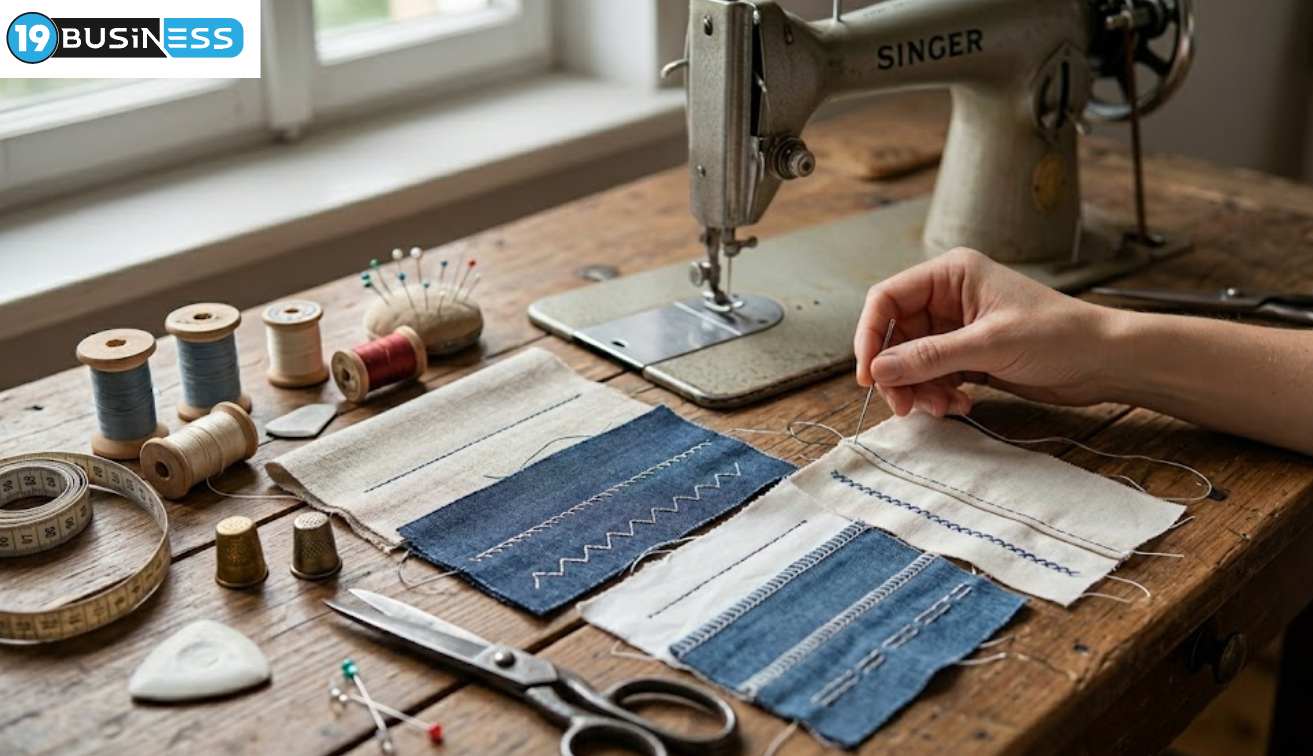
Sewing is an art that combines creativity, skill, and precision, and the foundation of any successful sewing project is choosing the right stitch. Nahttypen, or stitch types, play a crucial role in every aspect of your sewing work. Whether you’re repairing an old piece of clothing, crafting a custom garment from scratch, or adding beautiful details to your project, knowing the various Nahttypen is key to achieving professional results. In this article, we’ll dive deep into the world of stitching and uncover the most commonly used hand and machine stitches, their uses, and how to choose the right one for your project.
Hand Sewing Stitches: The Foundation of Precision
Hand sewing stitches are essential for projects that require a personal touch. They offer a level of precision and control that machine stitching sometimes cannot match, especially when working with delicate fabrics or intricate designs.
1. Running Stitch: Simple Yet Effective
The running stitch is one of the most basic yet versatile hand sewing techniques. It involves a simple back-and-forth motion, making it ideal for seams and hems. This stitch is commonly used in basting, gathering, and tacking. Its simplicity allows for quick stitching, and its flexibility makes it perfect for light to medium-weight fabrics.
2. Backstitch: Strong and Durable
The backstitch is known for its durability, making it a go-to choice for areas that require strength. This stitch creates a solid seam that doesn’t easily unravel, which is perfect for stress points in garments, like underarm seams or hems that will experience frequent movement.
3. Slip Stitch/Blind Hem: Invisible Perfection
When working with delicate fabrics or finishing hems, the slip stitch or blind hem is the perfect choice. This stitch is designed to be nearly invisible once completed, making it an excellent option for hemming delicate garments such as silk skirts or fine wool trousers. The stitch is hidden within the folds of the fabric, providing a clean, professional finish.
4. Decorative Stitches: Whip Stitch and Herringbone Stitch
Hand sewing also allows for the creation of beautiful decorative stitches. The whip stitch is often used to join two pieces of fabric together in a way that adds texture to the seam, while the herringbone stitch offers a distinctive, V-shaped pattern that is both functional and aesthetically pleasing.
Machine Sewing Stitches: Speed and Precision at Your Fingertips
Machine sewing stitches offer the advantage of speed, accuracy, and consistency. Whether you are working on a large-scale project or need to finish multiple pieces quickly, machine stitches can save you time while still delivering impressive results.
1. Straight Stitch: The Most Common Stitch
The straight stitch is by far the most commonly used machine stitch. It’s perfect for general sewing tasks, such as joining pieces of fabric together, hemming, or making basic seams. This stitch is strong and reliable, and it forms the foundation for almost every sewing project.
2. Zigzag Stitch: Versatile and Stretchable
The zigzag stitch is one of the most versatile machine stitches, especially for working with stretch fabrics like knitwear. It prevents fabric edges from fraying and adds flexibility, making it ideal for garments that require stretchability, such as t-shirts or activewear.
3. Decorative Stitches: Adding Personality to Your Projects
Many sewing machines come with a variety of decorative stitches, such as flowers, stars, and waves, that can add a unique touch to your projects. These stitches allow you to elevate a simple garment or home decor item by adding intricate designs and textures. Whether you’re decorating a pillowcase or making a statement blouse, decorative stitches provide endless creative possibilities.
4. Overlocking Stitch: Clean and Professional Edges
The overlocking stitch is another staple in machine sewing, especially when working with fabrics prone to fraying. It not only finishes the raw edges of your project but also strengthens the seam, preventing any unraveling over time. This stitch is perfect for quilting, upholstery, and any project that requires reinforced edges.
Decorative Stitches: Bringing Artistic Flair to Your Work
Decorative stitches are not just for embellishment; they can also serve functional purposes while adding a creative flair to your sewing. These stitches allow you to personalize and elevate your projects, whether they are garments, home decor items, or accessories.
1. Scalloped Stitches: For a Soft, Romantic Touch
Scalloped stitches are perfect for adding a delicate, rounded edge to your projects. These stitches are often used on collars, cuffs, or the hemline of a skirt. They create a soft, romantic look and are ideal for lightweight fabrics such as lace, cotton, or chiffon.
2. Embroidery Stitches: French Knots and Satin Stitch
Embroidery stitches, such as the French knot and satin stitch, are wonderful for adding intricate details to your projects. French knots create small, textured dots of thread, while satin stitches offer a smooth, dense covering of fabric. Both are excellent for personalizing garments or creating beautiful embellishments on home decor pieces.
3. Machine Embroidery: Precision and Consistency
Machine embroidery allows you to replicate intricate patterns with precision. Many modern sewing machines come with built-in embroidery features, enabling you to stitch beautiful designs with ease. This technique is perfect for those looking to create professional-level embellishments or logos on fabrics.
Choosing the Right Stitch for Your Project
Selecting the correct stitch is crucial for ensuring your project turns out as intended. The type of stitch you use should be based on the fabric, the purpose of the garment or item, and the overall aesthetic you’re going for.
1. Fabric Considerations
For lightweight fabrics like silk or chiffon, delicate hand stitches like the slip stitch or running stitch are ideal. Heavier materials like denim or canvas will require stronger stitches like the backstitch or straight machine stitch to hold the fabric together effectively.
2. Project Purpose
If you’re creating a garment that will undergo a lot of stretching, such as a sweater or workout gear, a zigzag stitch is perfect. For home decor projects, such as curtains or pillowcases, a straight stitch will provide durability and a neat finish.
3. Aesthetic Preferences
If you’re aiming for a professional look with invisible stitching, a slip stitch or blind hem is your go-to option. On the other hand, if you want to add personality and creativity, experiment with decorative stitches like scallops or machine embroidery to make your project stand out.
Tips for Successful Stitching
To achieve flawless stitching, you must follow a few important tips and techniques that will ensure your projects turn out beautifully.
1. Choose the Right Thread and Needle
Selecting the appropriate thread and needle for your fabric is essential for smooth stitching. For heavier fabrics, use thicker thread and a larger needle, while delicate fabrics require fine thread and a smaller needle.
2. Test Stitches on Scrap Fabric
Before beginning your project, always test the stitches on a scrap piece of fabric. This allows you to adjust settings and determine the right stitch for your fabric type without risking damage to your actual project.
3. Maintain Even Tension
Maintaining consistent tension while sewing ensures your stitches are even and uniform. Uneven tension can lead to puckering or loose seams, which will affect the overall appearance of your work.
4. Pre-Wash Your Fabric
Pre-washing your fabric helps avoid shrinkage after your project is complete. It also removes any dirt or chemicals that may have been added during production, ensuring a clean finish for your final creation.
Conclusion
Mastering Nahttypen is a key component of becoming a skilled sewist. Whether you are hand stitching for a personal touch or using machine stitches for speed and efficiency, understanding the different types of stitches and their applications can greatly enhance the quality and durability of your projects. By experimenting with various stitches and following the tips provided, you can take your sewing skills to the next level and create professional-quality garments and home decor items.
FAQs
1. What is the most common hand sewing stitch?
The running stitch is the most common and versatile hand sewing stitch. It’s simple to execute and can be used for seams, hems, and gathering.
2. Can I use machine stitches for embroidery?
Yes, many modern sewing machines come with embroidery settings that allow you to add intricate designs to your projects.
3. What stitch should I use for heavy fabrics like denim?
For heavy fabrics like denim, the backstitch or a straight machine stitch is ideal, as these provide the strength needed for durability.
4. How do I improve my hand stitching accuracy?
Practice stitching on scrap fabric, maintain even tension, and use a sharp needle to achieve accurate and neat stitches.
For more information, check out our website: 19business.com